

London, UK. 30 November 2021 – TomTom, the geolocation technology specialist, unveiled TomTom IndiGO, the open digital cockpit software platform for carmakers. TomTom IndiGO brings users’ digital lives and access to car functions seamlessly and safely into the in-dash experience. (more…)
December 1, 2021
Posted by: Anasia D'mello

Recent advances in modern technology have greatly enhanced the standard and quality of life. The internet of things (IoT), data analytics, and artificial intelligence (AI) allow better and smarter access to public transportation and amplified production of manufactured goods. (more…)
Posted by: Gabby Baglino

Samsung Electronics, a world provider in advanced semiconductor technology, introduced three of its latest automotive chip solutions; the Exynos Auto T5123 for 5G connectivity, the Exynos Auto V7 for comprehensive in-vehicle infotainment systems and the ASIL-B certified S2VPS01 power management IC (PMIC) for the Auto V series. (more…)
November 30, 2021
Posted by: Anasia D'mello
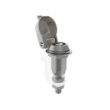
Southco’s E3 VISE ACTION Compression Latch with Bi-Stable Cover is designed with a cover that pops open when latch is not secure, providing visual indication of latch status. This new offering expands the line of make safety visible by Southco products, which provide visual indication for improving safety and monitoring access in a wide variety of applications. (more…)
Posted by: Anasia D'mello
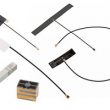
London, UK, 30 November 2021 – RS Components (RS), a trading brand of Electrocomponents plc, a global omni-channel provider of product and service solutions, has invested in a major expansion of its Molex interconnect product range. RS can now offer designers, installers and maintenance engineers over 1,000 additional Molex products, ranging from state-of-the-art antennas and harsh-environment industrial connectors to an enhanced range of D-subs and cable connectors. (more…)
Posted by: Anasia D'mello

Renesas Electronics Corporation, a supplier of advanced semiconductor solutions, introduced the R9A06G061 power line communication (PLC) modem IC. The R9A06G061 delivers high-speed communication at up to 1 Mbps over long distances of a kilometrE or more, without the need for relays, expanding the range of practical applications for PLC.
Posted by: Anasia D'mello

Eton, UK. 25th November 2021 – InterSystems, a data technology provider dedicated to helping customers solve the most critical data and information challenges, has been selected by eConsult Health, the UK’s digital triage and remote consultation solutions provider, to accelerate its growth in the NHS. (more…)
November 25, 2021
Posted by: Anasia D'mello

Riyadh, Saudi Arabia. 24 November 2021 – stc, the ICT specialist driving digital transformation in the Middle East and North Africa, has announced a partnership with Sensoneo to provide customers in Saudi Arabia with the most reliable and easy-to-deploy smart waste management technology. Sensoneo is a provider of enterprise-grade smart waste management solutions. (more…)
November 24, 2021
Posted by: Anasia D'mello

Paris, France. 23 November 2021 – Eco-startup GreenCityZen, a greentech provider of IoT for industry and smart city, has selected Sigfox to connect 5,000 downspouts (entry points into the river network) on the Marseille sewerage network. (more…)
Posted by: Anasia D'mello

In the latest Trending Tech Podcast Jeremy Cowan talks to Shaun Cooley about using machine learning to map buildings and get the best from them.
Posted by: IoT global network